

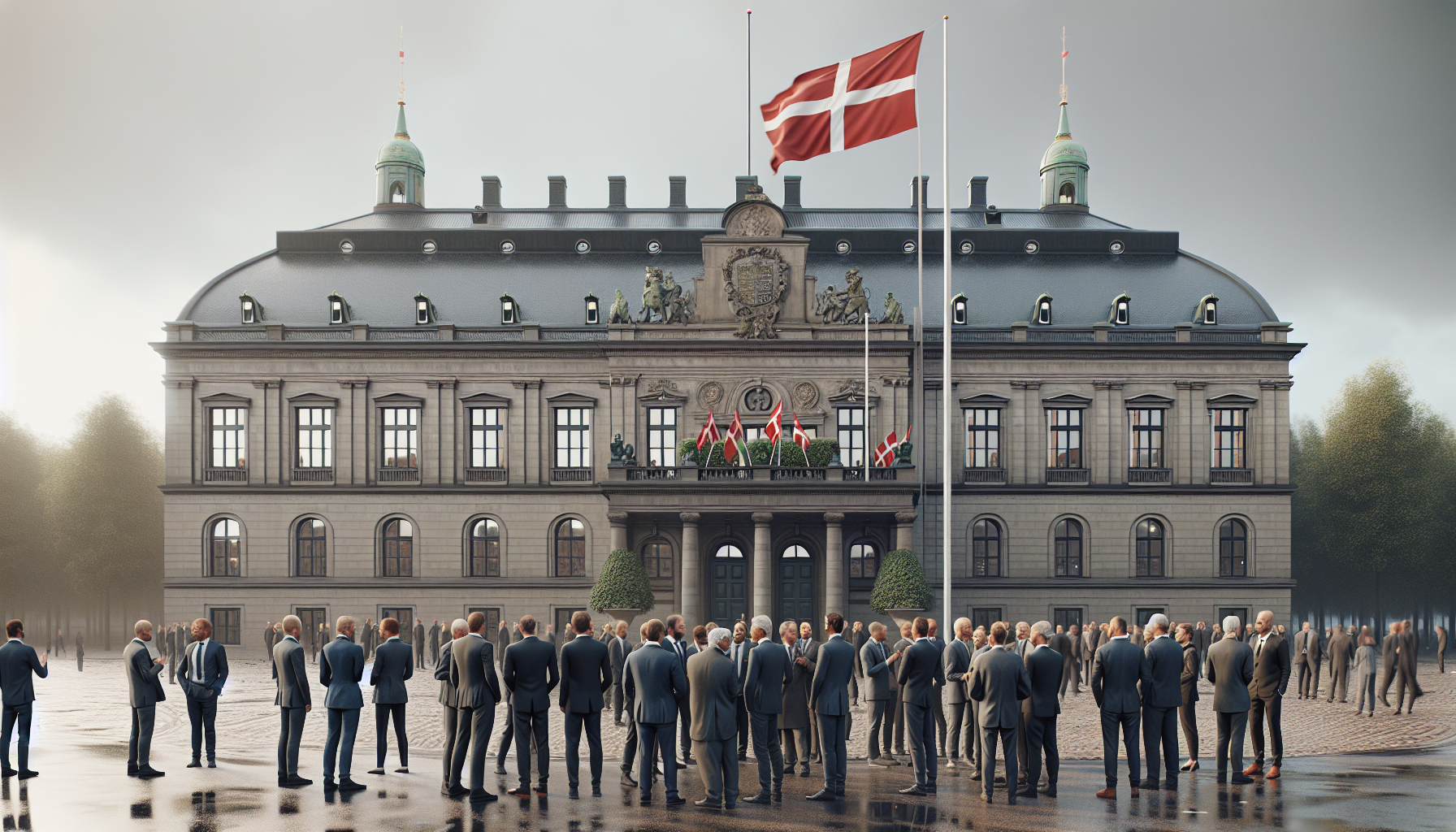
Denmark’s Social Democrats, who have been at the helm of the government since 2019, recently secured the highest number of votes in the latest election. However, despite this achievement, the party experienced its weakest electoral performance in more than a century. This unexpected decline has raised significant questions about the future political landscape in Denmark.
The Social Democrats’ diminished vote share means that forming a stable government will not be straightforward. The party now faces the daunting task of engaging in complex coalition negotiations with other political factions to secure a workable majority in parliament. These discussions are expected to be lengthy and challenging, given the fragmented nature of the vote and the diverse interests of potential coalition partners.
It is worth noting that the Social Democrats have been a dominant force in Danish politics for decades, often shaping the country’s social and economic policies. Their recent electoral setback marks a notable shift in voter sentiment, reflecting broader changes in the political climate and public priorities. Analysts suggest that this could lead to a period of political uncertainty as parties navigate the post-election environment.
Meanwhile, other parties that performed well in the election are positioning themselves as key players in the coalition talks. Their influence could significantly impact the policy direction of the next government, especially on issues such as immigration, climate change, and economic reform. The outcome of these negotiations will be closely watched both within Denmark and internationally, given the country’s role in European affairs.
In a related development, political commentators have highlighted the importance of voter turnout and engagement in shaping the election results. The Social Democrats’ decline may partly be attributed to shifting demographics and changing voter priorities, which could signal a new era in Danish politics. As coalition talks proceed, the party will need to balance its traditional platform with the demands of its potential partners to maintain governance stability.
