

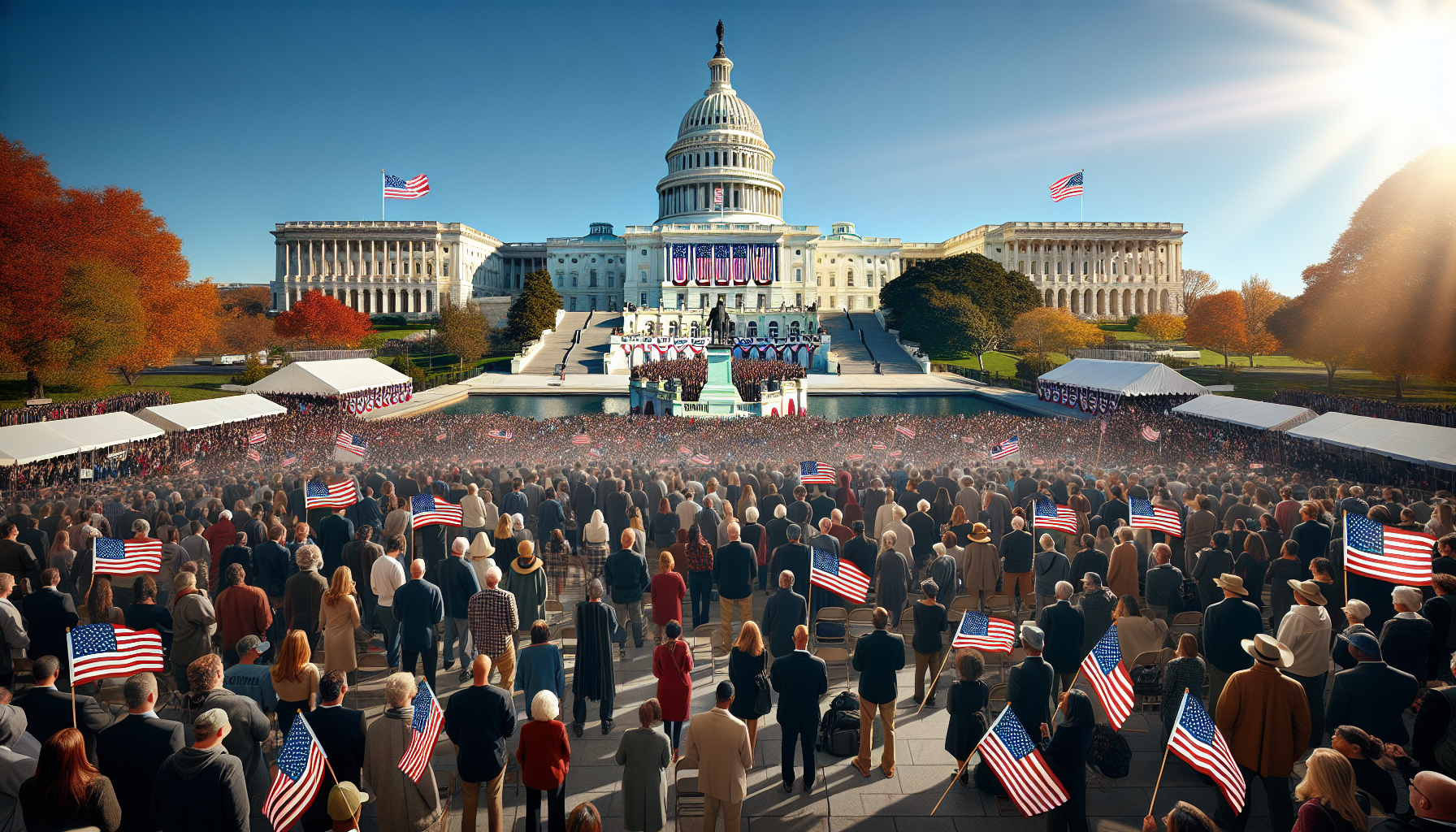
In a significant development, analysts have highlighted that a prolonged conflict would be counterproductive as the United States approaches its midterm elections. The political landscape during this period often demands a focus on domestic issues, making extended foreign engagements less favorable. Historically, midterm elections have influenced US foreign policy decisions, with administrations seeking to avoid unpopular military entanglements that could affect voter sentiment.
Meanwhile, the ongoing conflict’s duration is under scrutiny as policymakers weigh the potential repercussions on electoral outcomes. The midterms, scheduled for November, serve as a critical juncture for political parties aiming to secure or maintain control of Congress. Prolonged military involvement could shift public opinion and impact the electoral prospects of incumbents and challengers alike.
Notably, the strategic calculus surrounding the conflict involves balancing national security interests with political considerations. The outcome of the midterm elections may determine future US foreign policy directions, including decisions on military engagement and diplomatic efforts. This interplay underscores the broader significance of electoral cycles in shaping international conflict dynamics.
