

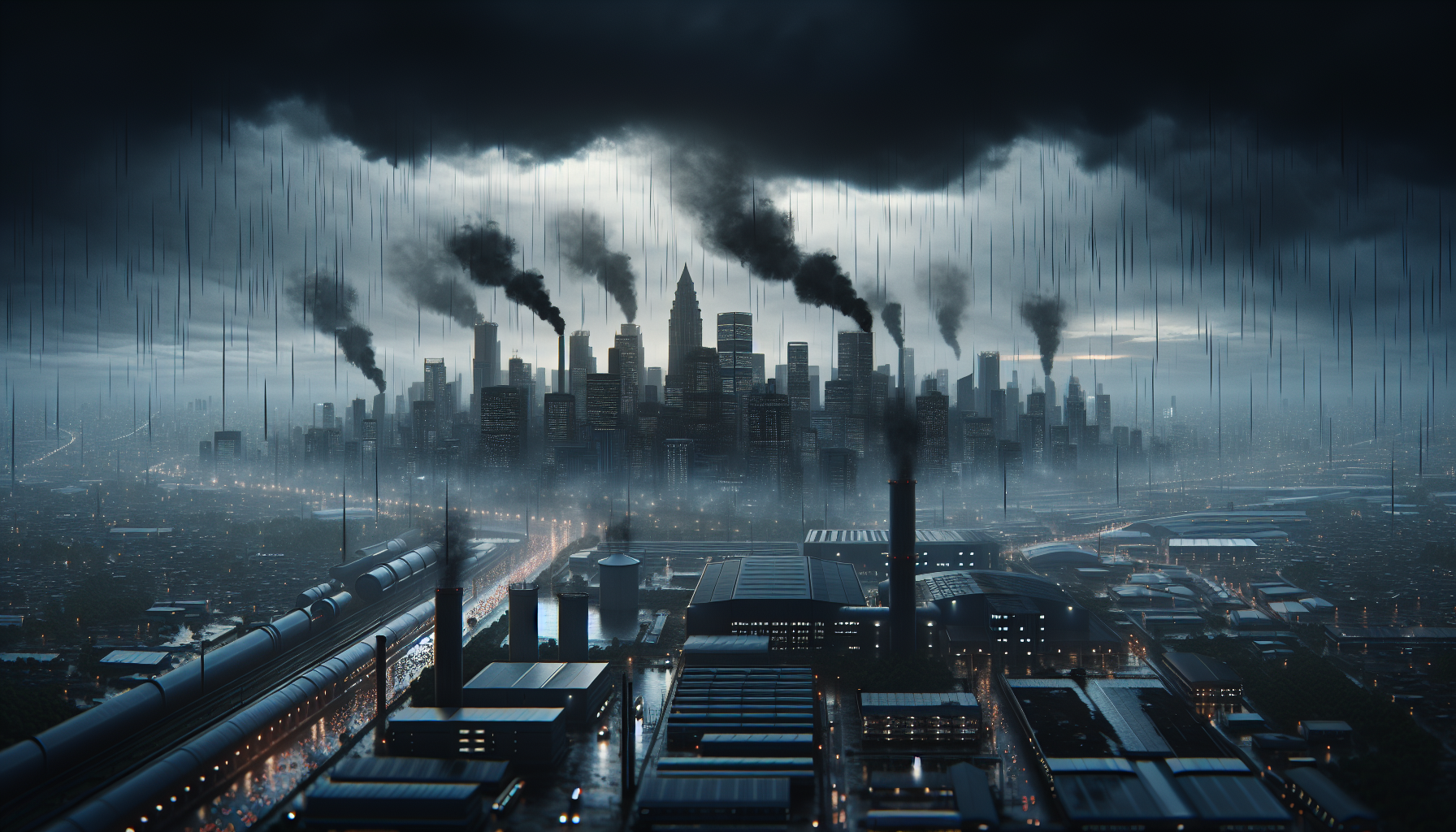
In the aftermath of targeted strikes on oil installations in Tehran, residents have reported the occurrence of black rain, which experts warn could carry toxic substances harmful to the environment and public health. This phenomenon has raised concerns about the potential use of chemical agents or the unintended release of hazardous materials due to the damage inflicted on industrial infrastructure. The contamination is not limited to the atmosphere but extends to soil and water sources, posing a multifaceted environmental threat.
Historically, attacks on oil facilities have often resulted in severe ecological consequences, as the combustion of petroleum products releases dangerous pollutants. The current situation in Tehran is significant because it highlights the risks of modern warfare tactics that may indirectly or directly introduce chemical hazards into civilian areas. Such environmental degradation can have long-term effects on agriculture, drinking water safety, and overall ecosystem stability.
Meanwhile, the implications of this toxic fallout extend beyond immediate health concerns, potentially affecting regional security and humanitarian conditions. The spread of contaminants through rainwater can exacerbate the crisis by infiltrating food chains and increasing exposure among vulnerable populations. This development underscores the urgent need for monitoring and mitigation efforts to address the environmental and public health impacts of conflict-related industrial damage in Tehran.
