

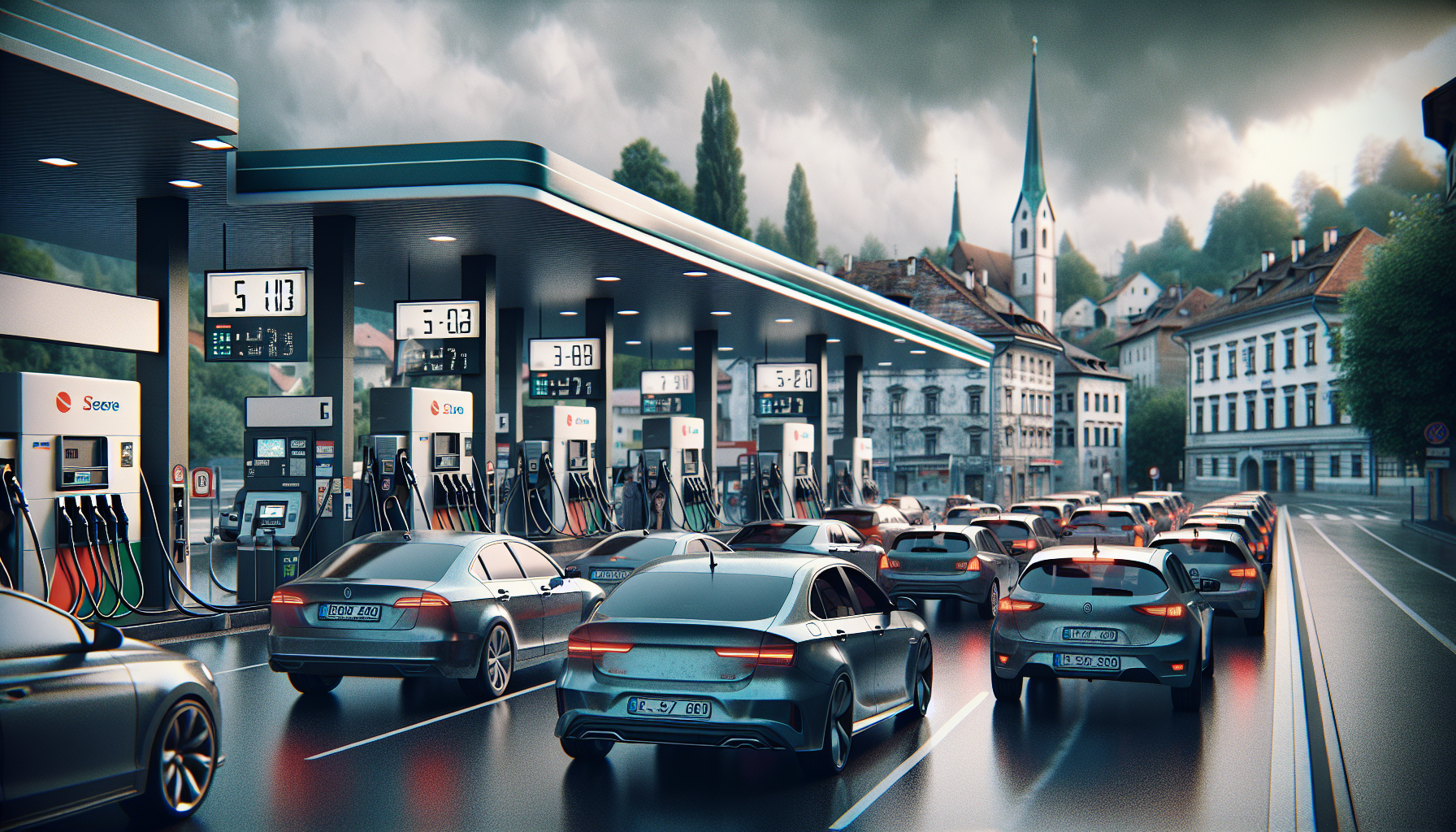
In a groundbreaking move within the European Union, Slovenia has become the first member state to implement fuel rationing measures, limiting motorists to a maximum of 50 litres of fuel per day. This decision, effective immediately and continuing until further notice, marks a significant step as countries across Europe grapple with energy supply uncertainties and rising fuel prices.
The Slovenian government announced this restriction as part of broader efforts to manage dwindling fuel reserves and ensure equitable distribution among consumers. By capping daily fuel purchases, authorities aim to prevent panic buying and hoarding, which could exacerbate shortages and disrupt transportation networks vital to the economy.
It is worth noting that Slovenia’s move comes amid a complex geopolitical landscape and fluctuating global oil markets, which have put pressure on energy supplies throughout the continent. Other EU nations are closely monitoring the situation, considering similar measures should the crisis deepen. Meanwhile, Slovenian motorists are adjusting to this new regulation, which directly impacts daily travel and logistics.
In a related development, energy experts emphasize the importance of such rationing policies as temporary but necessary interventions to stabilize markets. They also highlight the need for accelerated investments in alternative energy sources and infrastructure to reduce dependency on fossil fuels in the long term.
As Slovenia navigates these challenges, the broader European community watches attentively, recognizing that the country’s pioneering approach could set a precedent for managing fuel scarcity during turbulent times. The coming weeks will reveal how effective this rationing strategy proves in balancing supply and demand while maintaining economic stability.
