

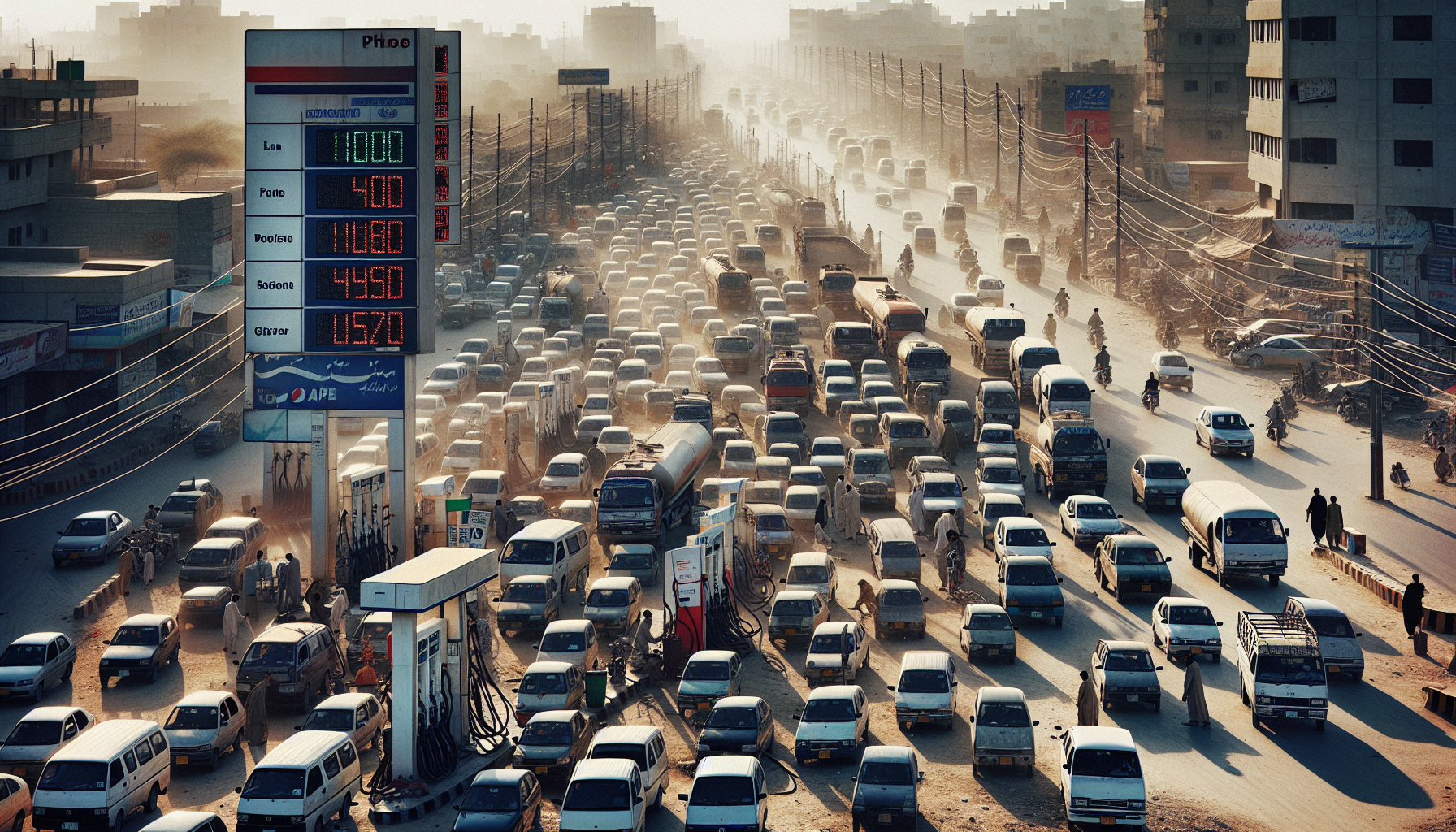
As tensions escalate in the Middle East due to the ongoing conflict involving Iran, developing countries across Asia, Africa, and the Middle East are facing a sharp increase in fuel prices. This surge is placing significant economic pressure on nations already grappling with fragile economies and limited resources. From Pakistan to Egypt, the ripple effects of the conflict are being felt in everyday life, with rising energy costs threatening to deepen financial hardships for millions.
Fuel prices have long been a critical factor in the economic stability of developing countries, where energy costs directly influence transportation, agriculture, and industrial production. The recent conflict involving Iran has disrupted global oil supply chains, causing uncertainty and volatility in the international energy markets. This disruption has led to higher prices at the pump, which in turn is driving inflation and increasing the cost of living for ordinary citizens.
In Pakistan, for instance, the government has been compelled to revise its fuel pricing policies multiple times in recent weeks to keep pace with the soaring international rates. This has sparked concerns among economists and policymakers about the potential for further inflationary pressures, which could undermine economic growth and exacerbate poverty levels. Similarly, in Egypt, where fuel subsidies have historically played a vital role in stabilizing the economy, the rising costs are forcing difficult decisions about subsidy reforms and budget allocations.
Meanwhile, other countries in the region and beyond are also struggling to cope with the fallout. Many developing economies lack the financial buffers or diversified energy sources to absorb such shocks, making them particularly vulnerable to external geopolitical events. The increase in fuel prices is not only affecting transportation and manufacturing but also impacting food security, as higher fuel costs translate into increased expenses for farming and distribution.
It is worth noting that this situation underscores the interconnectedness of global energy markets and the far-reaching consequences of regional conflicts. As the Iran war continues to unfold, the international community is closely monitoring its impact on energy supplies and prices. In a related development, experts are urging developing nations to accelerate efforts toward energy diversification and renewable sources to reduce dependence on volatile fossil fuel markets.
