

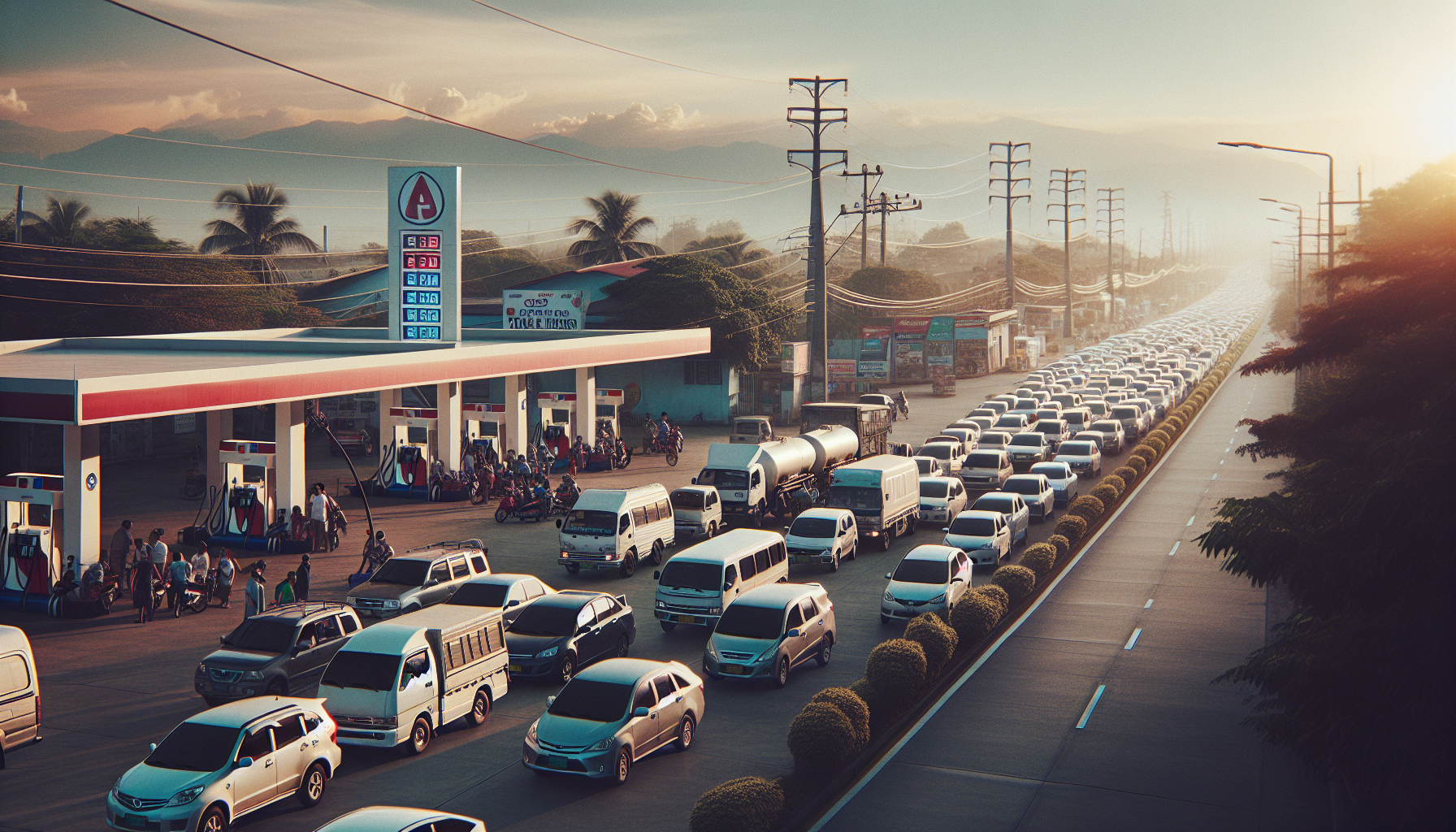
In a significant move to address the escalating energy crisis, Philippine President Ferdinand Marcos Jr. has officially declared a national emergency that will remain in effect for one year. This declaration comes as the country faces a worrying depletion of its fuel reserves, raising concerns over potential disruptions to transportation, industry, and daily life across the archipelago.
The decision to impose a year-long emergency status reflects the urgency with which the government is approaching the dwindling fuel supplies. It is a strategic measure designed to grant authorities enhanced powers to manage resources, streamline fuel distribution, and implement necessary interventions to prevent a full-blown energy crisis. The declaration is expected to facilitate quicker procurement processes and enable the government to coordinate more effectively with both local and international stakeholders.
Fuel shortages have been a growing challenge for the Philippines, a country heavily reliant on imported oil to meet its energy demands. The global fluctuations in oil prices, combined with logistical hurdles and increased consumption, have contributed to the current strain on fuel availability. This situation has already led to rising transportation costs and concerns among businesses and consumers alike.
Meanwhile, the government has urged citizens and industries to exercise prudence in fuel usage and to prepare for potential rationing measures if the situation worsens. Efforts are also underway to explore alternative energy sources and accelerate investments in renewable energy to reduce the country’s dependency on imported fuels in the long run.
It is worth noting that this emergency declaration grants the administration the authority to implement price controls, regulate fuel imports, and coordinate with private sector partners to ensure equitable distribution. The move has been met with cautious optimism by experts who emphasize the importance of transparent governance and efficient management during this critical period.
In a related development, neighboring countries are closely monitoring the Philippines’ energy situation, as regional fuel markets are interconnected. Any prolonged shortage could have ripple effects across Southeast Asia, impacting trade and economic stability.
