

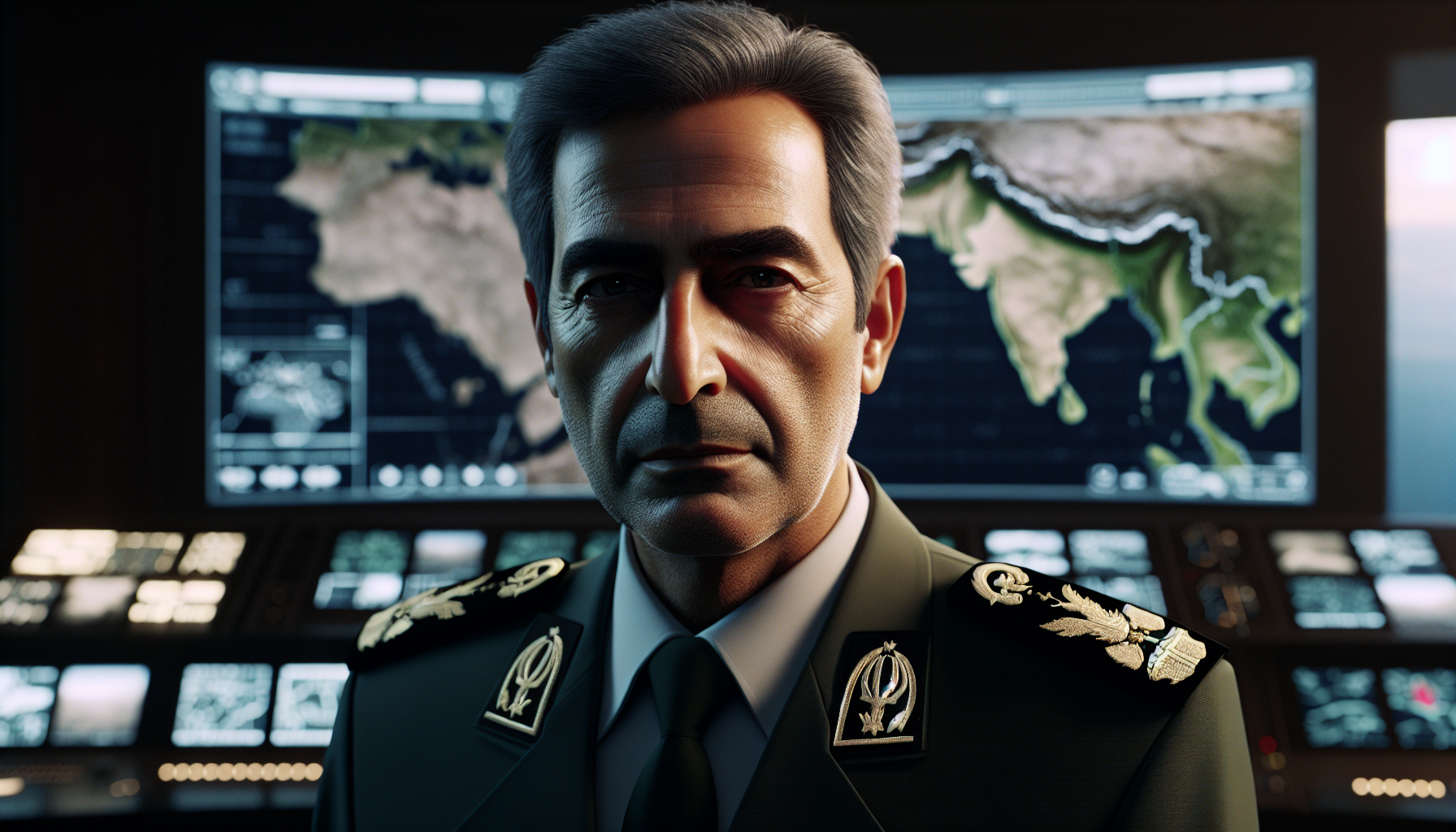
In a significant development within Iran’s security landscape, Mohammad Zolghadr, a former commander of the Islamic Revolutionary Guard Corps (IRGC), has been appointed as the country’s new security chief. This move comes at a critical juncture as Iran faces mounting external pressures from the United States and Israel, alongside persistent internal unrest that has challenged the government’s stability.
Zolghadr’s appointment is widely viewed as a strategic decision by Tehran to reinforce its security apparatus with experienced military leadership. Having served in the IRGC, an elite branch of Iran’s armed forces known for its influential role in both domestic and regional affairs, Zolghadr brings with him a deep understanding of Iran’s security challenges. His background suggests a focus on tightening internal control while countering external threats, particularly from Western adversaries.
It is worth noting that the timing of this appointment coincides with escalating tensions in the Middle East, where Iran’s nuclear program and regional activities have drawn sharp criticism and sanctions from the United States and its allies. The US and Israel have intensified their efforts to curb Iran’s influence, leading to increased diplomatic and covert confrontations. Against this backdrop, Zolghadr’s role will be crucial in shaping Iran’s security policies and responses.
Meanwhile, Iran continues to grapple with widespread domestic protests and social unrest, fueled by economic hardships and political dissatisfaction. The government’s ability to maintain order and prevent further destabilization will largely depend on the new security chief’s strategies and effectiveness. Zolghadr’s military experience is expected to influence a more assertive approach toward dissent and opposition groups within the country.
In a related development, analysts suggest that Zolghadr’s leadership could signal a shift toward a more hardline security stance, reflecting the IRGC’s growing dominance in Iran’s political and security spheres. This could have far-reaching implications for both Iran’s internal governance and its foreign relations, particularly with Western nations and regional rivals.
