

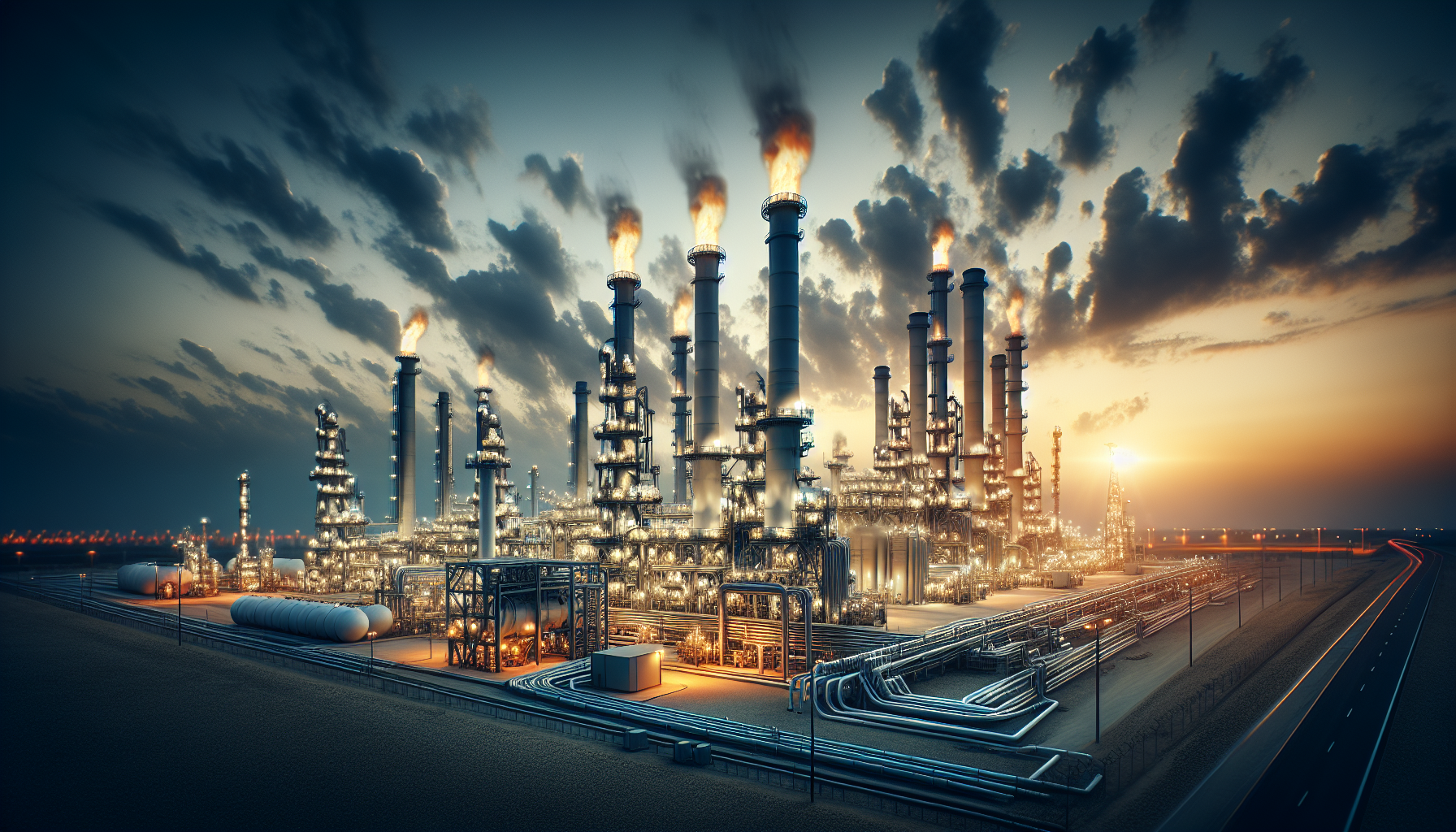
Energy infrastructure across the Middle East has recently come under a series of attacks, notably targeting Qatar’s liquefied natural gas (LNG) facilities. These incidents have intensified concerns about the security of energy supplies from a region that is a critical supplier to global markets. The disruptions have contributed to a surge in energy prices worldwide, reflecting the vulnerability of key export hubs. Given Asia’s heavy reliance on Middle Eastern energy imports, these developments pose a significant risk to the region’s energy security and economic stability.
Asia, as one of the largest consumers of energy globally, depends substantially on imports of oil and gas from the Middle East to fuel its industrial growth and meet rising demand. The recent attacks exacerbate existing supply chain uncertainties, potentially triggering shortages or price spikes that could impact everything from manufacturing to household energy costs. Governments and energy companies in Asia are now closely monitoring the situation, seeking alternative sources and strategies to mitigate the fallout. This situation underscores the geopolitical sensitivity of energy routes and the broader implications for global energy markets.
In a significant development, the targeting of Qatar’s LNG infrastructure is particularly alarming given the country’s status as one of the world’s top LNG exporters. Any prolonged disruption could ripple through international markets, affecting not only Asia but also Europe and other regions dependent on LNG supplies. The attacks highlight the need for enhanced security measures and diversified energy portfolios to reduce dependency on vulnerable supply chains. As tensions persist, the global community faces mounting pressure to address the stability of energy supplies amid geopolitical conflicts in the Middle East.
