

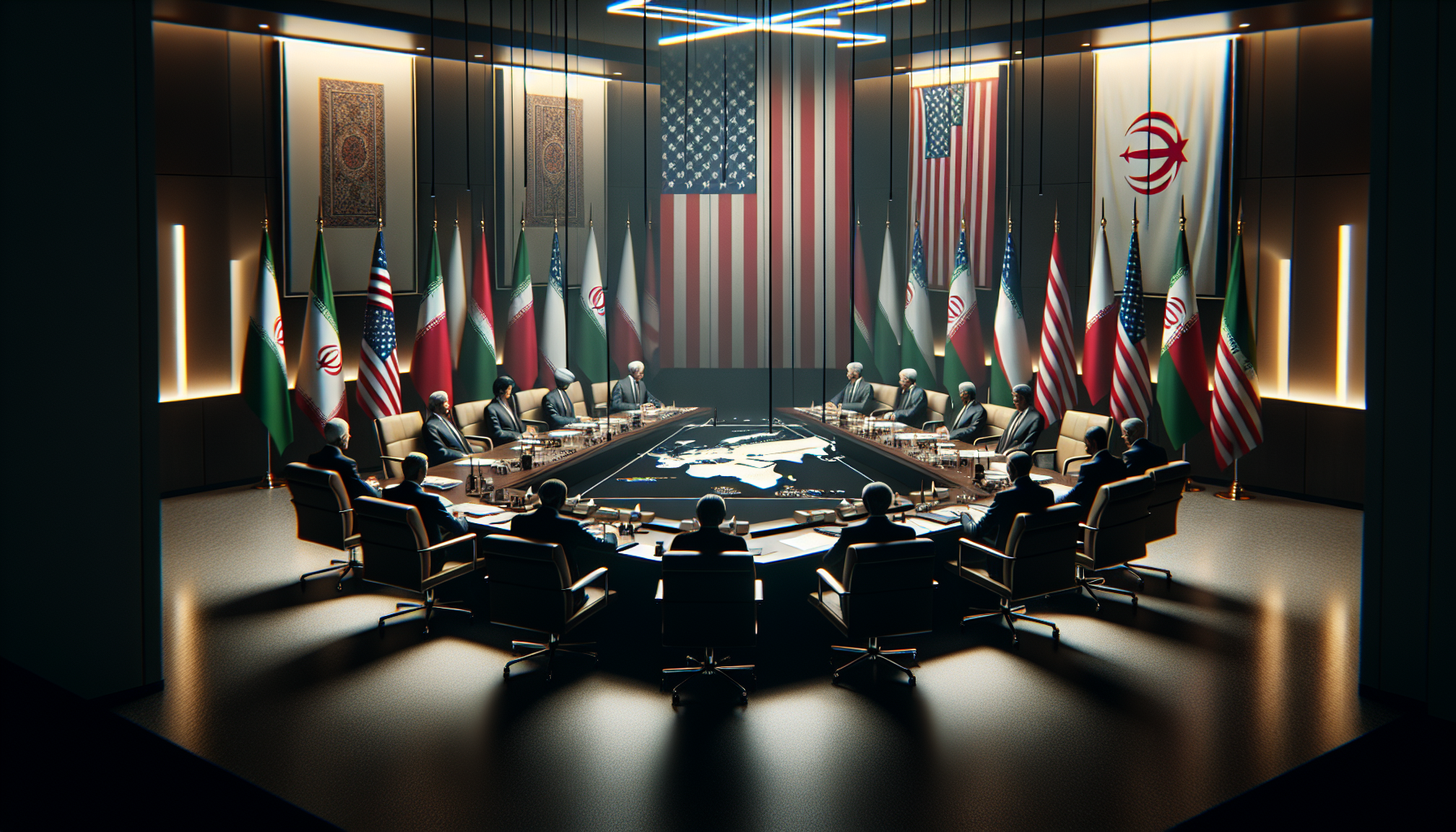
As the conflict between the United States and Israel intensifies, Tehran appears to be positioning itself with greater confidence in ongoing diplomatic negotiations. Analysts suggest that Iran perceives its current stance as considerably stronger than before the recent escalation of hostilities. This shift in Iran’s approach could have significant implications for regional diplomacy and the broader geopolitical landscape.
It is worth noting that Iran’s growing leverage stems from a complex interplay of factors, including heightened tensions in the Middle East and the apparent divisions among key international players. Tehran is reportedly preparing to demand concessions that may prove difficult for the United States and Gulf countries to reconcile. This divergence in interests among US allies adds another layer of complexity to the already fragile negotiation process.
Meanwhile, experts caution that Iran’s bolstered negotiating position should not be underestimated. The country’s leadership is likely to capitalize on the current environment to push for terms that advance its strategic objectives. Such demands could potentially reshape the dynamics of regional security and influence the future of diplomatic engagements involving Iran.
In a related development, the inability of the US and Gulf nations to present a unified front may inadvertently strengthen Iran’s hand at the negotiating table. This fragmentation among allied states could lead to prolonged talks and complicate efforts to reach a consensus. Observers emphasize the importance of understanding these shifting alliances to fully grasp the evolving nature of the conflict and its diplomatic repercussions.
Overall, Tehran’s enhanced negotiating position amid the US-Israeli conflict underscores the intricate and often volatile nature of Middle Eastern diplomacy. As the situation continues to unfold, the international community remains watchful of how these developments will influence peace efforts and regional stability in the months ahead.
