

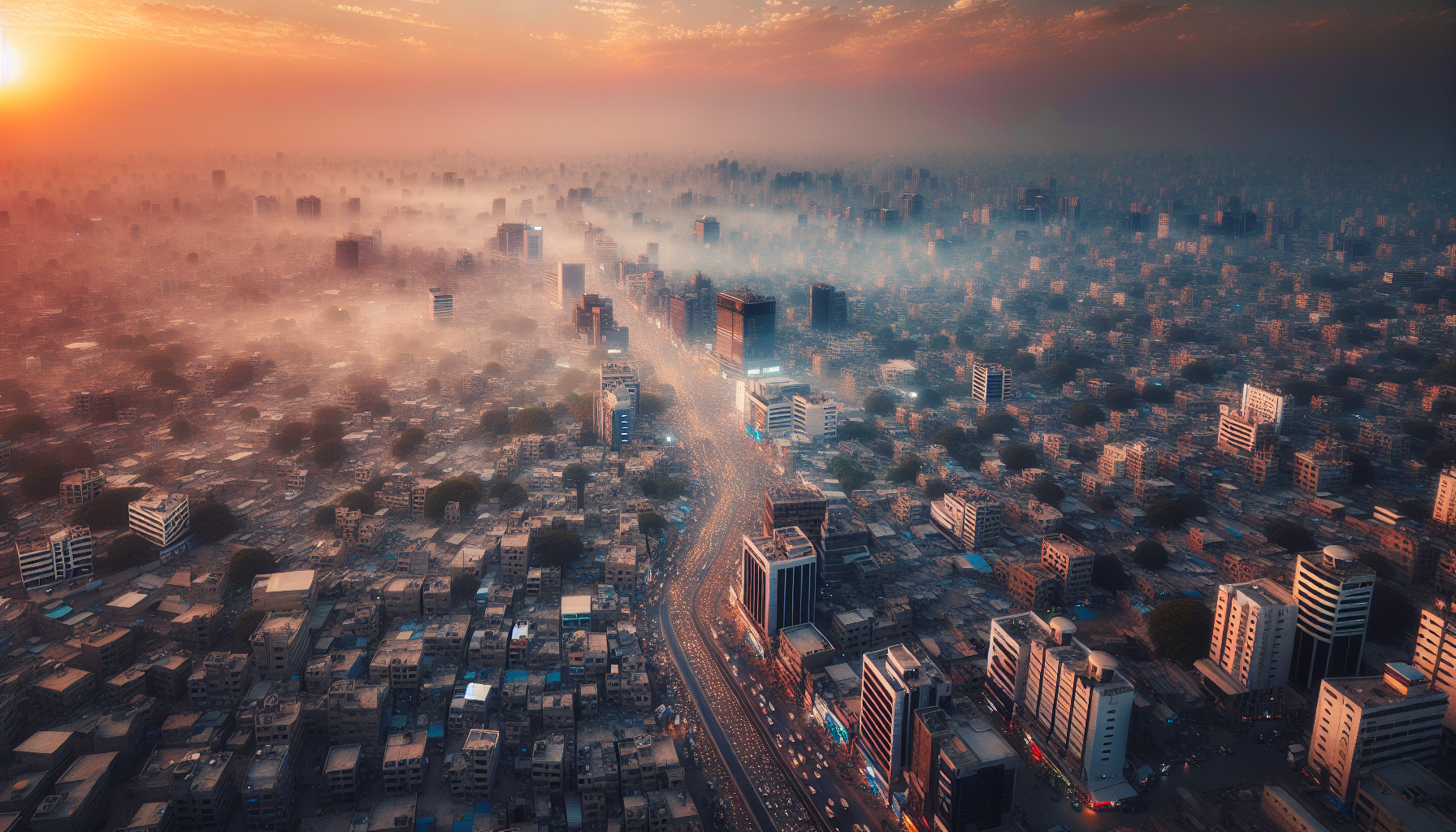
Air pollution reached alarming levels across the globe in 2021, marking a significant environmental and public health concern, a recent comprehensive report has revealed. The study meticulously analyzed air quality data from numerous cities, shedding light on the regions that experienced the most severe pollution spikes as well as those that maintained relatively cleaner air.
The report underscores how industrial activities, vehicular emissions, and other human-induced factors contributed to deteriorating air quality in many urban centers. Several cities recorded particulate matter concentrations that far exceeded the World Health Organization’s recommended safety limits, putting millions at risk of respiratory and cardiovascular diseases.
Meanwhile, the findings also highlighted a handful of cities that managed to sustain better air quality throughout the year. These areas often benefited from stringent environmental regulations, lower industrial output, or favorable geographic and climatic conditions that helped disperse pollutants more effectively.
It is worth noting that the COVID-19 pandemic initially led to temporary improvements in air quality during lockdown periods in early 2020. However, as economic activities resumed in 2021, pollution levels surged back, sometimes surpassing pre-pandemic figures. This rebound effect has raised concerns among environmentalists and policymakers alike, emphasizing the urgent need for sustainable urban planning and cleaner energy solutions.
In a related development, experts are calling for enhanced monitoring systems and international cooperation to address transboundary air pollution. The report serves as a stark reminder that tackling air quality issues requires coordinated efforts at local, national, and global levels to protect public health and the environment for future generations.
