

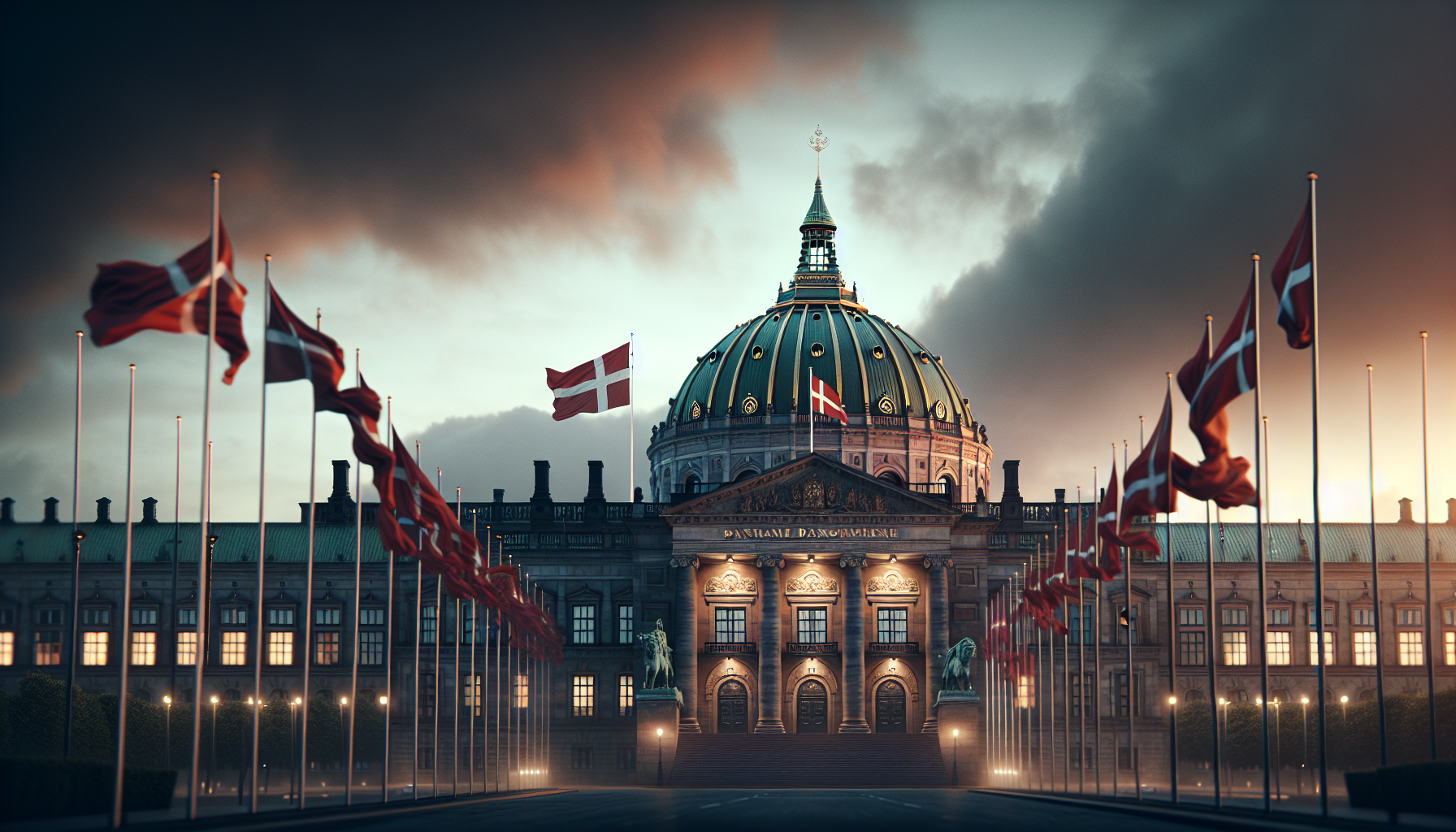
Denmark’s Prime Minister Mette Frederiksen has announced her resignation following the recent general election in which her party was unable to secure a clear majority. The election results have led to a political stalemate, prompting complex coalition negotiations among various parties. Frederiksen’s decision marks a significant moment in Danish politics, as it opens the door for potential shifts in government leadership.
Meanwhile, discussions are underway to form a coalition government that could allow Frederiksen to return for a third term as prime minister. These talks are crucial given Denmark’s multi-party system, where no single party often gains outright control. The outcome of these negotiations will determine the country’s political direction and stability in the coming years.
In a significant development, the election deadlock highlights the challenges of governing in a fragmented political landscape. Frederiksen’s potential comeback depends on her ability to forge alliances and secure support from smaller parties. This situation underscores the importance of coalition-building in Denmark’s parliamentary democracy and its impact on policy-making and governance.
